












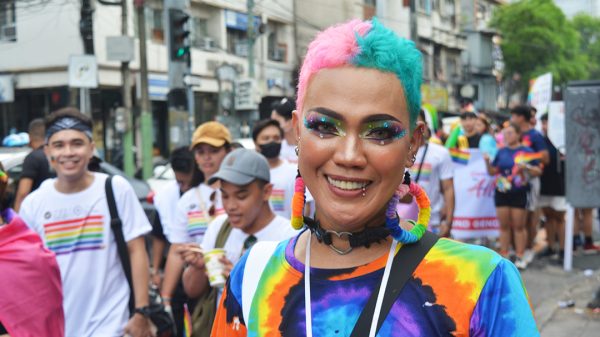

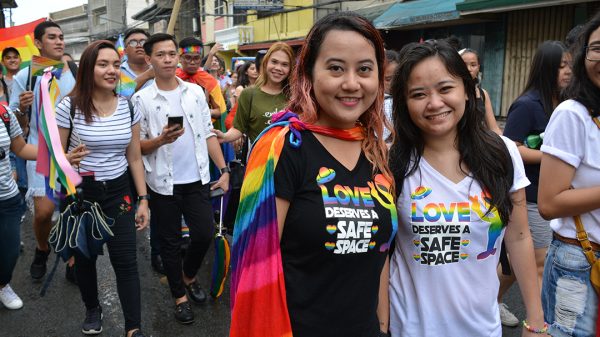




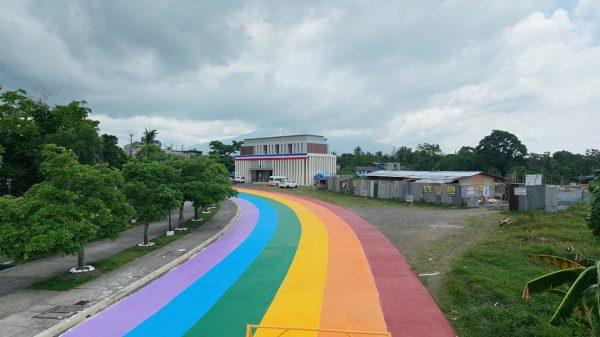


People often rely on social learning — learning by observing others’ actions and outcomes — to form preferences in advance of their own direct experiences. And this is also true when people discriminate against minority sectors, like the LGBTQIA community.
This is according to a study – “Transmission of social bias through observational learning” by David T. Schultner, Björn R. Lindström, Mina Cikara, and David M. Amodio – that appeared in Science Advances.
“Bias contagion findings are consistent with the possibility that prejudice can be transmitted between individuals through observational learning,” stated the researchers, who then conducted six studies involving 1,550 participants to investigate prejudice transmission.
All six studies demonstrated that “group preferences can be acquired by merely observing the behavior of a prejudiced actor toward members of a group. This effect emerged despite observers’ lack of stereotype knowledge, unawareness of demonstrator preferences, the lack of actual group differences in players’ feedback, and the use of financial incentives for accuracy, suggesting that observational learning constitutes a potent and persistent mode of prejudice transmission.”
“Despite the crucial role of social learning in adaptive decision making, we show that it can also contribute to the transmission of prejudice between individuals,” the researchers emphasized.
Since – as this study shows a pathway through which individual-level prejudice may spread to higher-level social structures such as communities and societies – the researchers suggested that closer look be given to “observational instrumental learning, whereby one person’s prejudice is transmitted to another through value shaping and misattribution.” This way, remedies can be provided to deal with how it “interacts with social structures and stereotypes to perpetuate and maintain existing patterns of bias and inequality in real-world intergroup contexts.”
“These findings thus raise new questions regarding the interplay of individual, dyadic, and systemic modes of prejudice formation, and while advancing our understanding of social learning, they pose new challenges for interventions aimed at prejudice reduction,” the researchers ended.