
















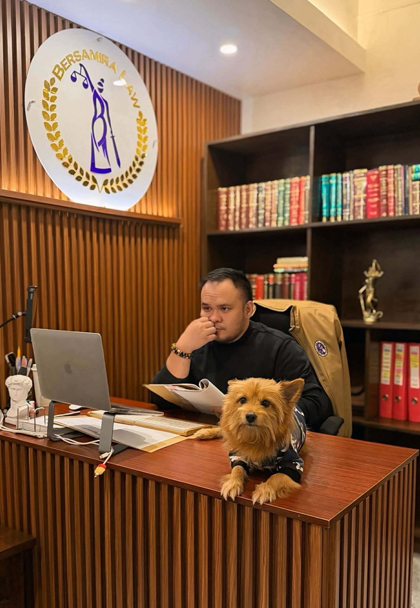
By Atty. Anthony Kay Karl Par Bersamira
Labor Day in the Philippines is our yearly reminder that the country runs on the backs of workers: the ones who wake up early, squeeze into public transport like it’s a nationwide group hug, and still show up trying to be productive while surviving on 3-in-1 coffee and sheer willpower.
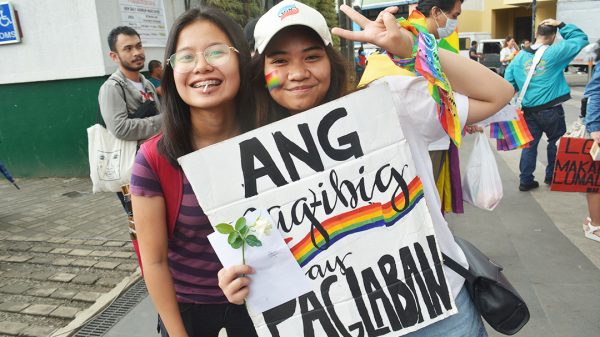
So, here’s a tribute to LGBTQIA+ workers who don’t just work for a living. Many also work for the right to be treated normally. Same output, same stress, same taxes but with bonus levels: “Pakibagayan ang vibes,” “Huwag masyadong halata,” and the classic corporate horror: “We’re a family here.”
This is meant to be funny because Filipinos cope through humor. But it’s also meant to be honest: workplace equality is still unfinished business.
The “equal opportunity” promise: when the law says protection, but reality says “depende”
Our Labor Code declares the State policy to protect labor, promote full employment, and ensure equal work opportunities regardless of sex, race, or creed. It also instructs that all doubts in implementation and interpretation shall be resolved in favor of labor. That sounds solid until you remember the part many LGBTQIA+ workers feel in their bones: the Labor Code’s “equal opportunity” line does not expressly name sexual orientation, gender identity, or gender expression. So yes, there is protection in principle, but many workers still experience the very Filipino legal experience of: “May karapatan ka pero anong specific na batas?”
And that gap matters, because discrimination is often subtle. It’s the interview that suddenly ends when your voice is “too soft.” It’s the promotion that goes to “someone who fits the image.” It’s the HR advice that sounds like a love song to closeting: “Maybe keep your personal life personal.”
No worker should have to edit themselves just to earn a paycheck.
Safe Spaces Act: because “joke lang” can be harassment, and harassment is not a workplace culture
If your workplace still treats LGBTQIA+ people like comic relief, where “banter” is actually slurs, and “teasing” is daily humiliation, Philippine law has moved forward on this point.
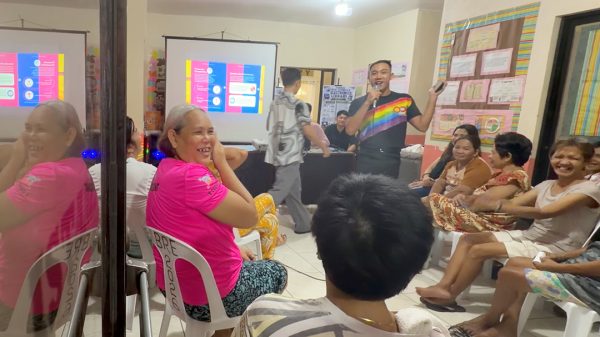
The Safe Spaces Act (RA 11313) imposes clear duties on employers: prevent, deter, or punish gender-based sexual harassment; disseminate the law; conduct seminars; create an independent grievance mechanism or CODI; investigate and decide complaints within ten (10) days or less; observe due process; protect the complainant from retaliation; and maintain confidentiality to the greatest extent possible.
That’s not “optional HR best practice.” That’s statutory duty.
The implementing rules are equally direct: employers must create a CODI and develop a code of conduct with procedures and penalties; non- compliance can be reported and forms part of DOLE’s enforcement and inspection function. The IRR also requires that CODI members undergo continuing training on gender sensitivity and sexual orientation, gender identity and expression, among other topics, and sets practical CODI composition rules in workplaces.
In plain Filipino: Hindi sapat ang rainbow lanyard sa June. Dapat may proseso sa buong taon.
And crucially for LGBTQIA+ workers, In Escandor v. People (2020), the Supreme Court has recognized that the Safe Spaces Act aligns with constitutional principles of human dignity and human rights, and that it expands protection to persons of diverse SOGIE, recognizing gender-based sexual harassment to include “misogynistic, transphobic, homophobic and sexist slurs.”
So when an office mate “jokes” using homophobic slurs, the law does not automatically laugh with them. The law can call it what it is: harmful conduct that can create a hostile workplace.
Employer accountability: when the company ignores complaints, it can become part of the harm
A common fear of LGBTQIA+ workers is not just the harasser, it’s the system that shrugs. “Hayaan mo na,” “ganyan talaga si Sir,” “work it out privately,” “don’t escalate.” The problem is, inaction can be legally meaningful.
In LBC Express-Vis, Inc. v. Palco (2020), the Supreme Court has emphasized that the State’s policy against sexual harassment has been strengthened by the Safe Spaces Act, including the explicit requirement that complaints be investigated and resolved within 10 days or less, and the recognition of employer duties and liabilities.
In normal-person terms: if a worker complains and the employer responds with “seen,” that “seen” may become evidence of neglect, not neutrality.
Labor Day tribute: to LGBTQIA+ workers, your labor is real, and so is your right to dignity
On May 1, we clap for workers. But some workers deserve an extra loud salute because they keep showing up despite carrying the weight of other people’s prejudice.
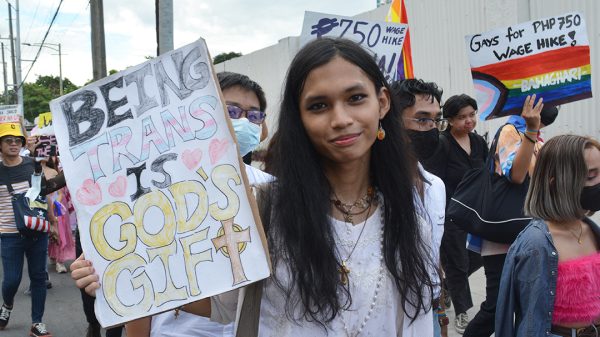
To the gay worker who always delivers, even when the team treats him like the office mascot instead of a professional. To the trans worker who just wants the correct name on the ID, not a daily debate. To the bisexual worker whose identity is treated like a rumor. To the queer employee who is expected to be “fun” but never granted the basic safety of being respected.
Labor Day should not be a celebration of endurance alone. It should be a celebration of dignified work work done without fear of humiliation, retaliation, or being pushed out quietly.
And compassion matters here: discrimination is not only illegal when it becomes a case file. It’s harmful the moment it makes a person feel unsafe, lesser, or unwelcome in a place where they earn their living.
Let this May 1 be more than “Happy Labor Day.” Let it be: “Happy Labor Day now comply.”
Workplaces can start with what the law already demands: visible policies, trained CODI, quick investigations, confidentiality, and real protection from retaliation. Employers should stop treating SOGIE issues as a “sensitivity topic” and start treating them as what they are under the Safe Spaces framework: a workplace safety and dignity issue recognized in jurisprudence.
And while we’re here: DOLE’s modern regulatory direction supports stronger workplace responsibility: clear reporting, prompt investigation, training, and anti-retaliation commitments are explicitly reflected in DOLE’s 2025 OSH IRR model policy sections. In other words, today’s compliance culture is shifting: not just hard hats and fire extinguishers, but also workplace conduct that doesn’t injure dignity.
Because the dream is not special treatment. The dream is boring equality, the best kind: same job, same respect; same effort, same opportunity; same right to be safe.
So this Labor Day 2026, to LGBTQIA+ workers: we see you, we honor you. And we insist: politely, firmly, and with receipts; that the law and the workplace must keep up.
Pantay ang pagod. Dapat pantay ang proteksyon. Pantay ang dangal.