
































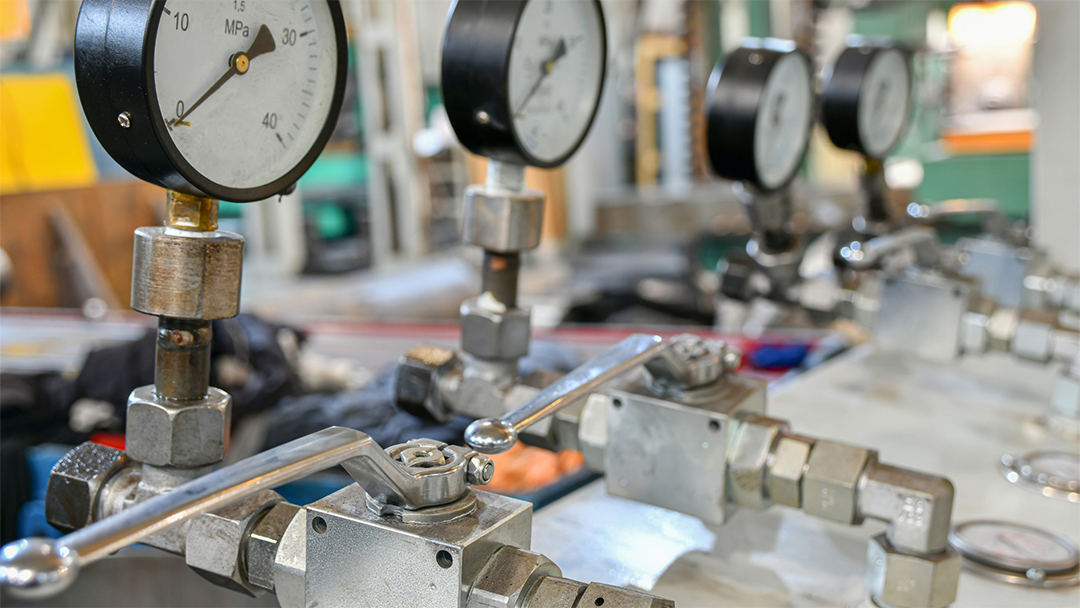
Hydraulic power units tend to sit in that category of equipment people don’t think much about until something slows down, overheats, leaks, loses pressure or starts chewing through more energy than expected. When they’re working properly, they’re almost invisible in the best possible way, quietly driving machinery, lifting systems, presses, industrial tools and all kinds of heavy-duty applications behind the scenes. But when performance drops, the whole operation can feel it pretty quickly.
That’s why it helps to understand how the key components improve hydraulic power unit performance, because a power unit isn’t just one big piece of machinery doing a single job. It’s a collection of parts that need to work together smoothly, and when one of those parts is poorly matched, worn out or badly maintained, the system can become less efficient long before it actually fails.
It Starts With the Pump
The pump is often the first component people think of, and for good reason. It’s responsible for moving hydraulic fluid through the system and creating the flow needed to get work done. If the pump is undersized, oversized or simply not suited to the application, the entire unit can struggle to perform consistently.
A good pump setup helps maintain the right flow rate, reduces unnecessary strain on the motor, and keeps the system operating without constantly fighting against itself. In practical terms, that can mean smoother movement, better response times, less wasted energy and fewer frustrating interruptions during daily operation.
The Motor Has to Match the Job
The motor is another major piece of the puzzle, because it provides the power that drives the pump. It’s not enough for a motor to simply be “powerful”; it needs to be appropriate for the workload, operating environment and duty cycle.
A motor that’s pushed too hard can overheat, wear prematurely and create reliability problems. On the other hand, a motor that’s correctly selected and properly maintained can keep the hydraulic power unit running more efficiently over the long term, especially in industrial settings where downtime is expensive and small performance issues can quickly become larger ones.
Fluid, Filtration and Temperature Control Matter More Than People Realise
Hydraulic fluid does far more than move through hoses and cylinders. It transfers power, lubricates components, helps manage heat and protects internal surfaces from wear. When fluid is contaminated, degraded or running at the wrong temperature, the system can lose efficiency and become much more vulnerable to damage.
This is where filtration and cooling become so important. Filters help remove particles that could damage valves, pumps and other sensitive components, while proper temperature control helps prevent fluid breakdown and keeps the system operating within a safe range. It’s not always the most glamorous part of hydraulic performance, but clean, well-managed fluid can make a huge difference to reliability.
Valves Keep Everything Controlled
Valves are what give a hydraulic system its precision. They control direction, pressure and flow, making sure the right amount of force goes to the right place at the right time. When valves are worn, blocked, leaking or poorly adjusted, the system can become jerky, inefficient or unpredictable.
In many cases, performance issues that seem major can come back to something as simple as incorrect valve settings or contamination affecting valve movement. That’s why regular checks are worth taking seriously, especially in systems that need accurate control or are used in demanding environments.
A Strong Hydraulic Power Unit Is Built on Balance
The best hydraulic power units aren’t just built from strong individual parts; they’re built from components that suit each other and suit the job. The pump, motor, reservoir, valves, filters, hoses, fluid and cooling systems all need to work as one complete setup. When that balance is right, the result is smoother performance, better energy use, less wear and a lower chance of sudden breakdowns. And for businesses that rely on hydraulic equipment every day, that kind of dependability isn’t just convenient — it’s what keeps the work moving.