





























It’s easy to see why yum cha and dim sum get used almost interchangeably, especially if your strongest association with both is a table full of dumplings, tea being poured, bamboo steamers arriving one after another, and everyone reaching across the table before the har gow disappears. In everyday conversation, the difference might not seem hugely important, because either way, you’re probably talking about a delicious shared meal.
But there is a distinction, and once you understand it, the whole experience becomes a little richer. Knowing how yum cha and dim sum differ in meaning and dining style helps explain why one term is more about the broader ritual of dining, while the other refers to the small dishes that make that ritual so enjoyable.
Yum Cha Is the Experience
Yum cha literally centres around drinking tea, but in practice, it has come to mean the lively shared dining experience that many people know and love. It’s not just about ordering a few small plates; it’s about gathering around a table, sipping tea, choosing dishes as they come, and eating in a way that feels relaxed, social and generous.
The tea matters more than some people realise. It helps balance the richness of fried, steamed and savoury dishes, gives the meal a slower rhythm, and creates that sense of pause between bites. Even when the table is crowded and the conversation is loud, there’s something grounding about the constant return to the teapot.
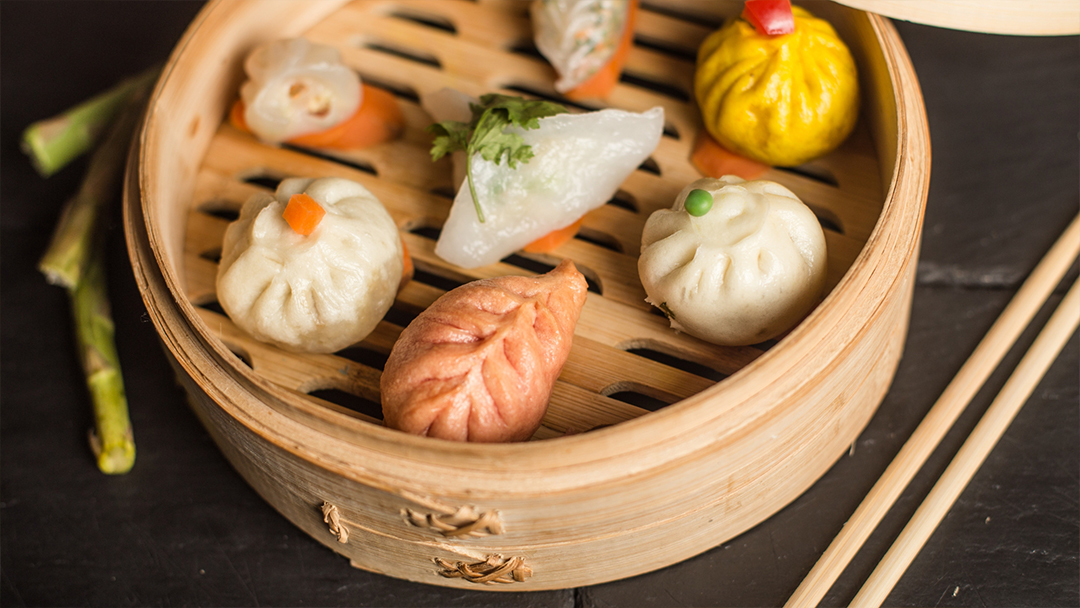
Yum cha is also about movement and variety. In traditional settings, trolleys might pass by with stacks of bamboo steamers and plates, letting diners point to what looks good in the moment. In other restaurants, the ordering might happen from a menu, but the spirit is still the same: lots of little dishes, shared across the table, with tea tying everything together.
Dim Sum Is What You Eat
Dim sum refers to the food itself: the bite-sized dishes, dumplings, buns, rolls, pastries and small plates served during the meal. Har gow, siu mai, char siu bao, cheung fun, turnip cake, egg tarts and sesame balls all sit under the dim sum umbrella, though the range can vary from restaurant to restaurant.
What makes dim sum so appealing is the balance of textures and flavours. You might have something delicate and steamed, followed by something crisp and fried, then something soft, sweet or saucy. No single dish has to carry the whole meal, which is part of the fun. You build the experience bite by bite, often ordering more as the table settles into its rhythm.
The Difference Matters Most When You’re Ordering
For anyone new to this style of dining, the distinction can make things easier. If you’re going for yum cha, you’re going for the whole shared tea-and-small-dishes experience. If you’re talking about dim sum, you’re talking about the actual dishes you’ll eat as part of that experience.
It’s a bit like the difference between going for afternoon tea and talking about scones, sandwiches and pastries. One describes the occasion, while the other describes the food. They belong together, but they’re not quite the same thing.
A Meal That’s Better When Shared
One of the best things about yum cha is that it doesn’t reward people who want to guard their own plate. The whole point is to try a bit of this, a bit of that, and maybe go back for another round of whatever the table loved most. It’s casual, conversational and naturally communal.
Small Dishes, Big Ritual
So, while it’s perfectly understandable when people use the words loosely, yum cha and dim sum each bring something different to the table. Yum cha is the occasion, the tea, the pace and the shared ritual. Dim sum is the food that fills the steamers, plates and baskets along the way.
Together, they create the kind of meal that feels generous without being formal, familiar even when you’re trying something new, and best enjoyed with enough people at the table to justify ordering far too much.