

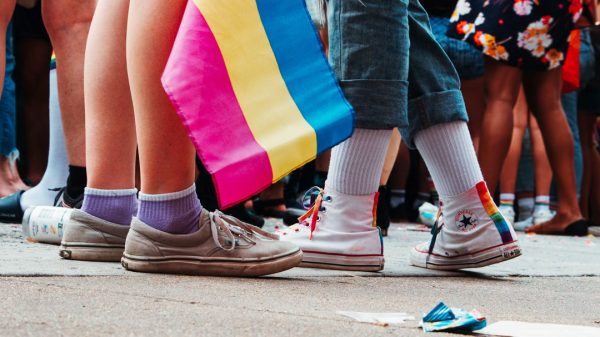




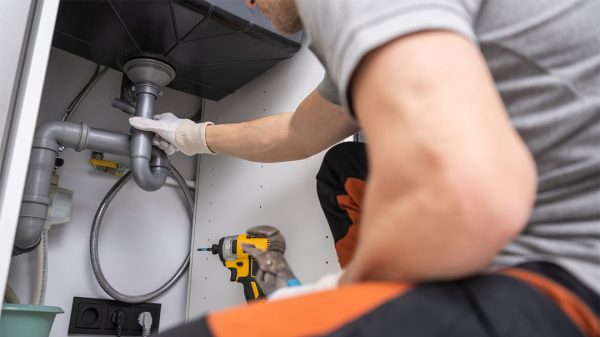
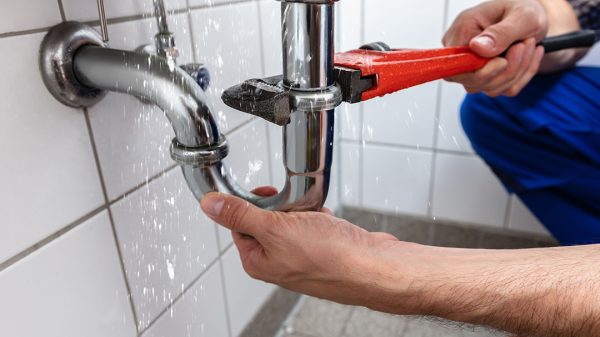


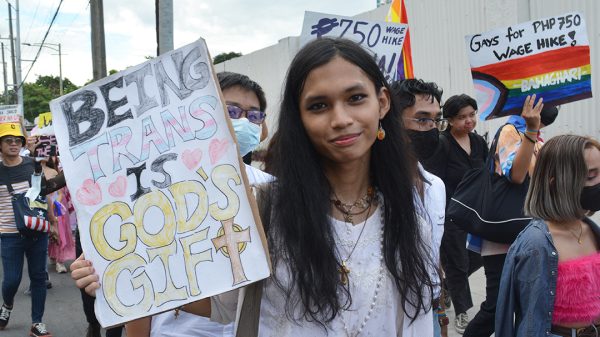


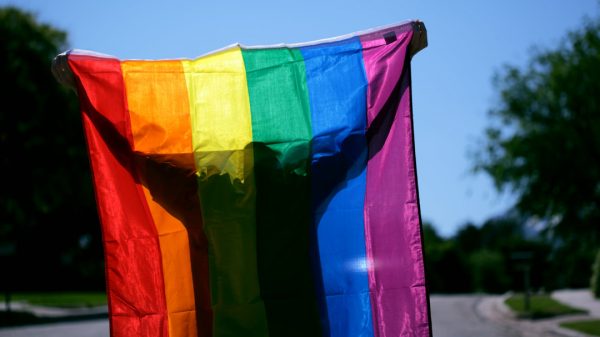

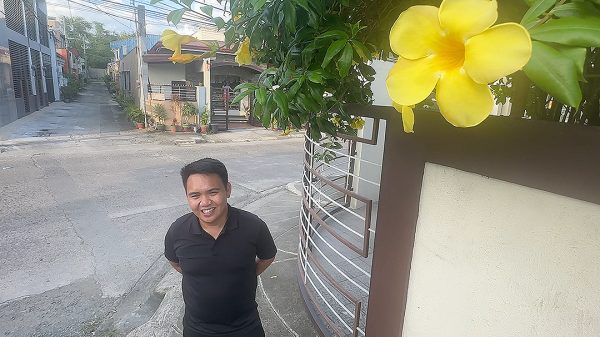

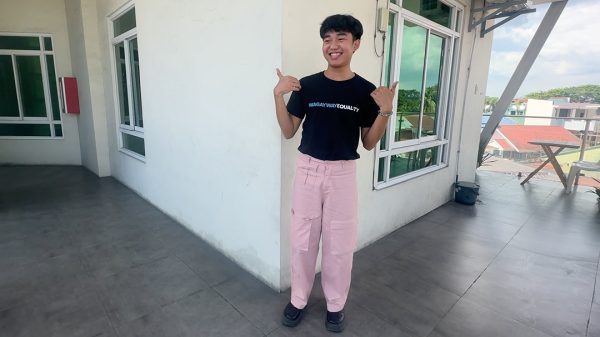




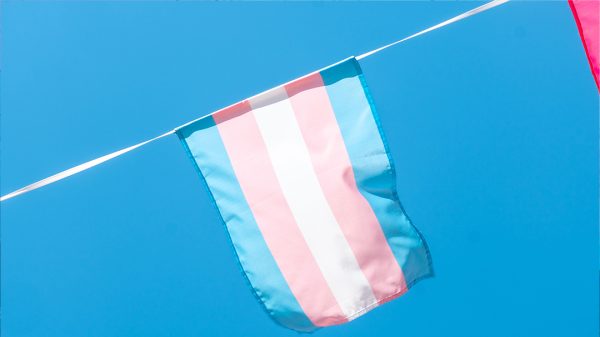
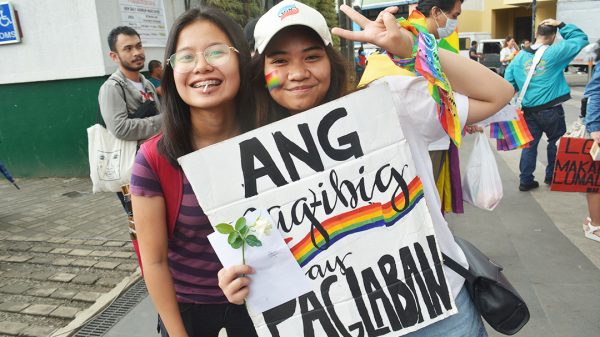





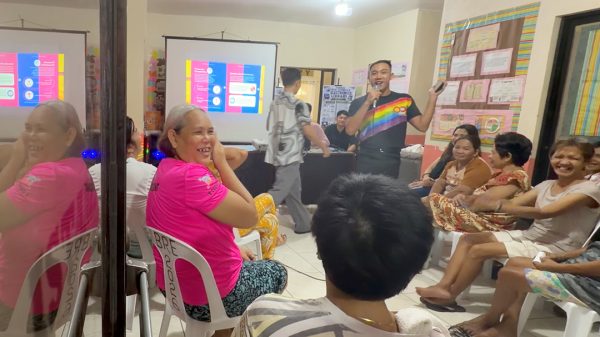



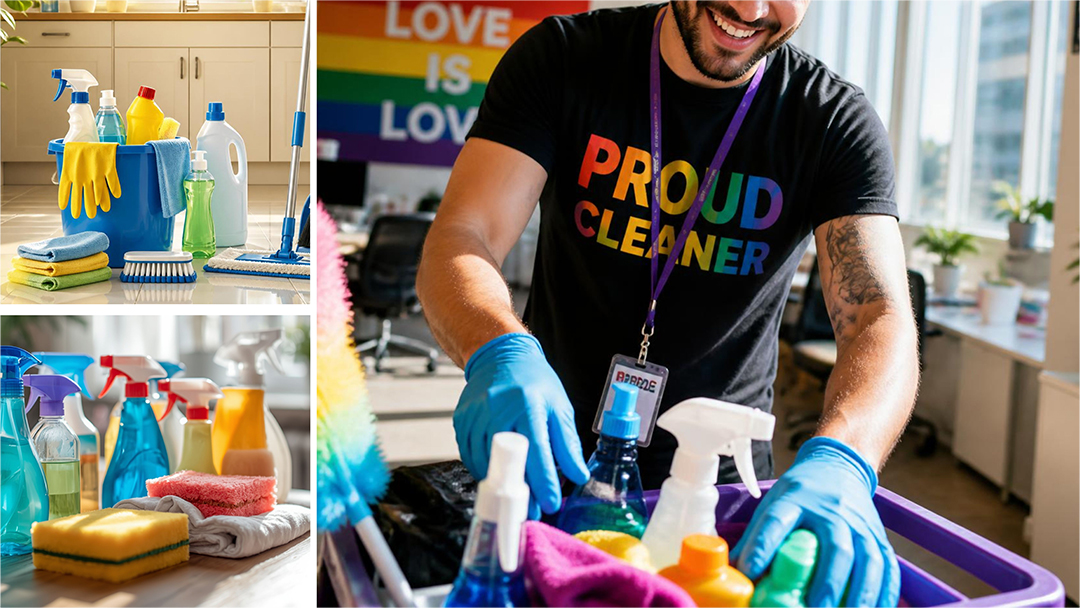
The cleaning professionals who maintain our offices, schools, and public spaces are essential workers. They deserve dignity, respect, and a safe work environment. This industry is incredibly diverse, made up of people from all walks of life, including immigrants, people of color, and members of the LGBTQ+ community.
Building an inclusive workplace isn’t just about hitting a quota; it’s about creating a culture where every employee feels valued, safe, and empowered to do their best work. This commitment to inclusivity is a fundamental part of ethical business practice and human decency.
When we recognize that every story matters, we ensure diverse perspectives are heard and valued, enriching the workplace and fostering a more equitable society for all.
Why Inclusivity Matters in Every Sector
Inclusivity means more than just hiring a diverse team. It involves actively creating an environment where differences are respected and celebrated. True inclusion is about making sure every employee has a voice and feels like they belong. For any leader, understanding what inclusion in the workplace means is the first step.
For cleaning professionals, who often work behind the scenes, feeling seen and appreciated is profoundly important. An inclusive culture acknowledges their contributions, respects their identity, and provides them with the support they need to thrive both personally and professionally. This creates a positive atmosphere that benefits everyone, from the employees themselves to the clients they serve.
Operational Excellence and Employee Retention
An inclusive workplace is also an efficient and stable one. When employees feel respected and treated fairly, they are more engaged, motivated, and likely to stay with the company long-term. This dramatically reduces turnover and the costs of recruitment and training. Fairness in operations, like equitable work distribution and transparent scheduling, is a cornerstone of an inclusive environment.
Many managers find the best software for cleaning businesses is Janitorial Manager because it provides clear scheduling and task management, removing ambiguity and the potential for bias in work assignments. When operational procedures are clear and consistent for everyone, it builds trust and reinforces a culture of fairness.
Creating a Welcoming Environment
A truly welcoming environment is built on clear communication and mutual respect. This means establishing and enforcing zero-tolerance policies against harassment and discrimination of any kind. Leaders should also focus on using inclusive language in all communications, from job postings to daily team meetings. It’s also about recognizing the diverse backgrounds of your team.
This doesn’t require elaborate celebrations but can be as simple as offering flexible time off that accommodates various cultural or religious observances. Investing in skills for building inclusive workplaces is a practical step managers can take to foster a sense of psychological safety and belonging for every team member.
Supporting Employee Well-being
The work of cleaning professionals is often physically demanding. Supporting their well-being is a critical part of an inclusive culture. This starts with providing fair wages, predictable hours, and comprehensive benefits where possible. It also means prioritizing their physical safety by supplying high-quality personal protective equipment (PPE) and thorough training on its proper use.
Beyond physical health, it’s important to consider mental and emotional well-being. Creating channels for open and honest feedback without fear of reprisal allows employees to voice concerns, which helps managers address issues before they escalate. A supportive workplace is one where employees know their health and safety are a top priority.
Tools for Managing Diverse Teams
Technology can be a powerful ally in managing diverse teams effectively and inclusively. Communication is often a major hurdle, especially when team members speak different languages. Using management apps that feature multi-language support or simple, icon-based instructions can help bridge these gaps and ensure everyone receives the same information.
Standardized digital training modules can also make onboarding more consistent and accessible. Furthermore, implementing anonymous feedback systems through software or third-party services can empower employees to report issues or provide suggestions comfortably. These tools aren’t just for efficiency; they are instruments for creating a more equitable and connected workforce.
Building an inclusive workplace for cleaning professionals is an ongoing process that requires genuine commitment from leadership. It’s about seeing the whole person, respecting their identity, and creating a system where everyone has the opportunity to succeed.