
































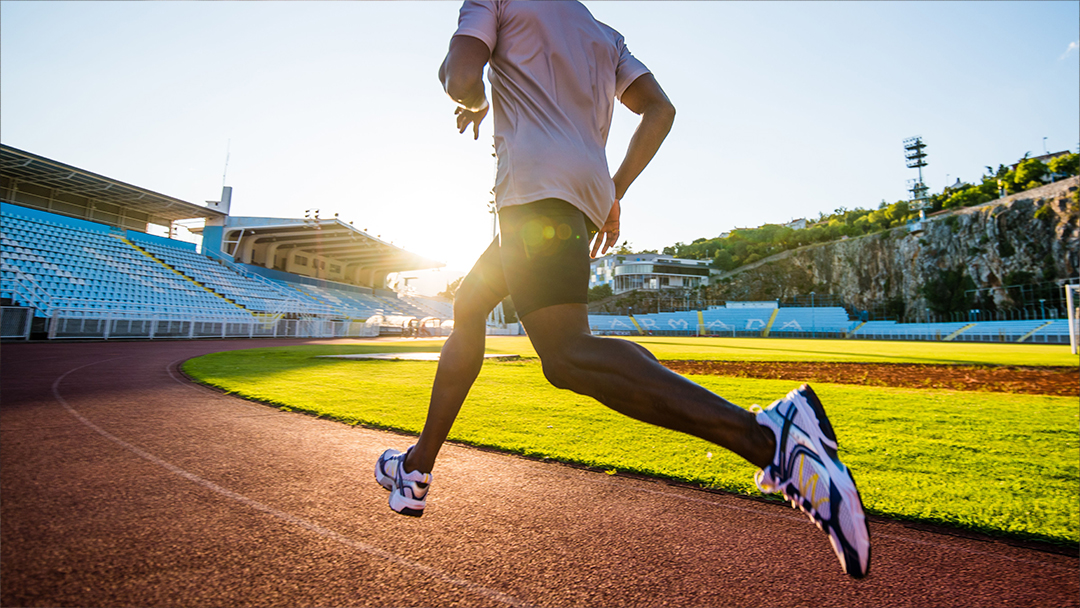
In the competitive world of higher education, many students and parents often believe that academic excellence is the only way to get ahead. The pressure to load up on AP courses and study for standardized tests can push other valuable pursuits, like athletics, to the side.
But seeing sports as just a distraction from academics means missing a big opportunity. We can actually build resilient, well-rounded individuals ready for both college and a future career by including sports in a student’s educational plan.
Why Holistic Development Matters
Education is much more than just memorizing facts and figures from a textbook. Real development means nurturing a student’s intellectual, social, emotional, and physical well-being. This balanced approach is key to creating adaptable and capable individuals. Sports offer a unique training ground for skills not always taught in the classroom. Team sports teach collaboration, communication, and how to resolve conflicts. Individual sports build discipline, self-motivation, and resilience when things get tough.
These experiences are fundamental to play-based learning and personal growth from a young age and stay relevant through high school and beyond. Participating in organized sports helps students manage their emotions, handle pressure, and develop a strong work ethic. This focus on the whole person helps holistic development in a way that academics alone cannot, preparing them for the complex challenges of the real world.
Developing a Competitive Edge
When it’s time to apply for college, a strong academic record is crucial, but it’s often not enough to stand out among many applicants. Admissions officers look for students who will contribute to the campus community in various ways. A history of athletic commitment shows dedication, good time management, and the ability to perform under pressure. These are all qualities highly valued in any academic setting.
Being a student-athlete signals to colleges that you can handle a demanding schedule and are driven to succeed. For those hoping to play at the next level, the process becomes even more strategic. In sports like golf, for example, a student’s performance on the course and their academic standing are equally important. Understanding the nuances of college golf recruiting can be the key to finding a program that’s the right fit both athletically and academically. This proactive approach shows initiative and a clear sense of purpose that impresses admissions teams.
Navigating the College Athletic Path
Once in college, life as a student-athlete is a demanding balancing act. It requires excellent time management and organizational skills. Practices, travel for competitions, and workout sessions must be carefully scheduled around classes, study time, and exams. Success depends on a student’s ability to stay organized and communicate effectively with both coaches and professors. Planning ahead also means considering the financial side of higher education, and resources on funding education can help families prepare for the costs involved.
Many universities offer strong support systems for their student-athletes, including dedicated academic advisors and tutoring services. It’s smart to use these resources right away. Creating a detailed weekly schedule can help you visualize your commitments and set aside enough time for academics. It’s also important to talk to professors proactively about any potential travel conflicts. With the right strategies, students can excel in both their sport and their studies, making the most of their college experience.
Long-Term Career Advantages
The benefits of being a student-athlete last long after graduation day. The skills honed on the field, court, or course transfer directly to the professional world. Employers actively look for candidates who have experience working in a team, showing leadership, and demonstrating resilience when things don’t go as planned. Former student-athletes enter the workforce with a proven track record of these qualities. Exploring creative flow in outdoor sports can also highlight how athletic experiences can encourage creativity and personal growth.
They understand how to work toward a common goal, accept constructive feedback, and persevere through challenges. The discipline needed to balance sports and academics often leads to a strong professional work ethic. Plus, the network built through college sports, which includes teammates, coaches, and alumni, can be an invaluable resource for future career opportunities. These connections can open doors to interviews and mentorships that might otherwise be unavailable.
Ultimately, combining athletics with education is an investment in a student’s long-term success. It builds character, teaches invaluable life skills, and provides a competitive advantage that will serve them well throughout their personal and professional lives.