































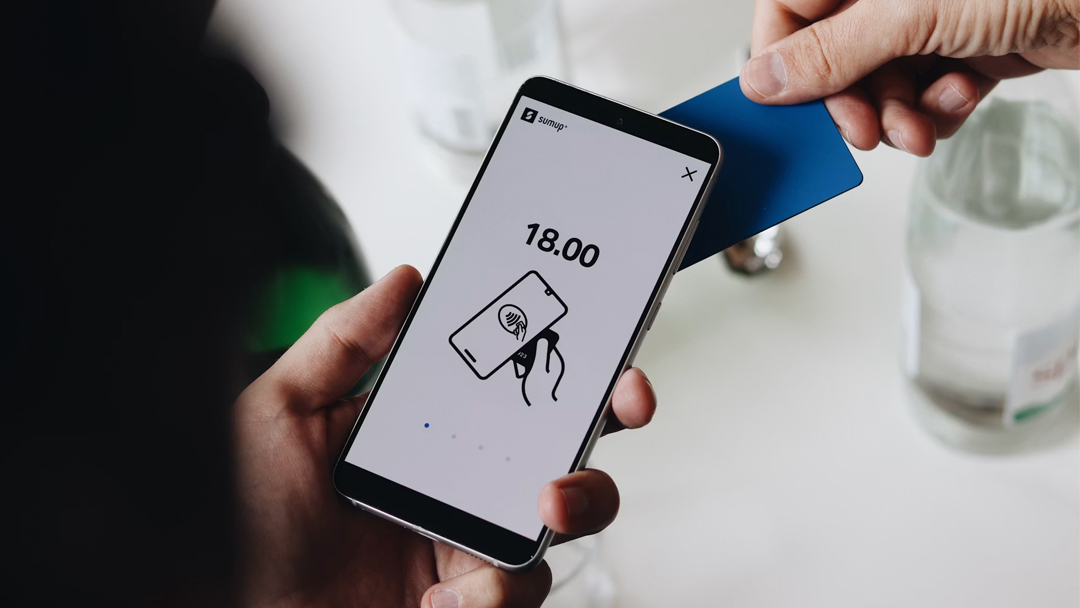
If you’ve ever used an app to split a dinner bill or bought something online, you already know how handy digital payments are. For a long time, this has meant using services that connect to our regular bank accounts and credit cards. But the internet itself is changing in a big way, often called Web3, and it’s bringing a whole new idea for how we handle money online. This isn’t just about new apps; it’s a big change in the technology that makes digital transactions work.
Understanding how emerging technologies reshape business models is becoming increasingly important as digital commerce evolves.
From Web 2.0 Centralization to Web3 Decentralization
For the last twenty years, Web 2.0 has shaped our digital lives. In this setup, big companies act as trusted go-betweens for almost everything we do, especially when we pay for things. When you pay with a credit card online, a complicated system of banks, card networks (like Visa or Mastercard), and payment processors all work behind the scenes to check and move your money. These central systems are reliable, but they can be slow, expensive, and leave some people out.
Web3 offers a different way: decentralization. Instead of relying on one central power, Web3 uses blockchain technology to create a secure and open record that anyone can look at. This shift in digital payments means people can exchange value without needing a bank to approve the transaction.
What Makes Web3 Payments Different?
At the heart of Web3 payments are a few key ideas that make them different from what we use today. The most well-known are cryptocurrencies like Bitcoin and Ethereum. These are digital assets built right into the blockchain, made to be sent and received without a financial middleman.
Beyond just the currencies, Web3 brings in “smart contracts.” These are agreements that automatically carry out their terms because the rules are written directly into code. For example, a smart contract could automatically pay a freelance designer once they upload a finished project file, all without anyone having to do it manually. This automation and transparency mean fewer arguments and delays.
Building Flexible Payment Systems
As this new financial technology gets more developed, industries that started on the internet are using it first. Sectors that depend on digital interactions and small transactions are finding Web3’s features especially useful. Online entertainment and gaming, for example, are always pushing the limits of digital commerce with in-game items, subscriptions, and players all over the world.
To support this evolving landscape, businesses need payment infrastructure that can accommodate multiple payment methods while maintaining security and reliability. A modern payment gateway for online gaming, for instance, can process traditional card payments, support digital wallets, and help merchants manage high transaction volumes across international markets. This flexibility allows businesses to meet customer expectations today while preparing for emerging payment technologies.
Challenges and Hurdles on the Road to Adoption
Even with its promise, getting Web3 payments widely adopted won’t be perfectly smooth. One of the biggest challenges is how easy it is to use. Dealing with cryptocurrencies and decentralized apps can still be tricky for the average person, as it requires understanding digital wallets and security.
Another big worry is how much the price of many cryptocurrencies can jump around. A payment sent in the morning could be worth a lot less by the afternoon, which creates risk for both buyers and sellers. Finally, governments worldwide are still trying to figure out how to handle this new financial system. When the rules aren’t clear, businesses might be hesitant to fully embrace the technology.
The Impact on the Global Economy
The possible benefits of a decentralized payment system go way beyond just convenience. For millions of people globally who don’t have access to traditional banking, Web3 could offer a direct way to join the financial system. All they would need is an internet connection and a smartphone to take part in the global digital economy.
Plus, Web3 payments could greatly cut down the cost of sending money across borders. Sending money internationally often means high fees and long waits as funds go through many banks. Depending on the blockchain network being used, international payments can often be completed faster and at a lower cost than traditional cross-border transfers. Research shows a clear connection between the growth of digital payments and growth in economic activity, especially in developing markets.
The way digital payments are changing is leading us toward a more open, efficient, and accessible financial future. While traditional payment systems will continue to play an important role for years to come, Web3 technologies are steadily influencing how businesses and consumers think about digital transactions. As payment infrastructure continues to evolve, companies that stay adaptable will be better positioned to meet changing customer expectations. Whether you’re a business owner, freelancer, or digital consumer, understanding these emerging technologies can help you make more informed decisions as the digital economy continues to evolve.