



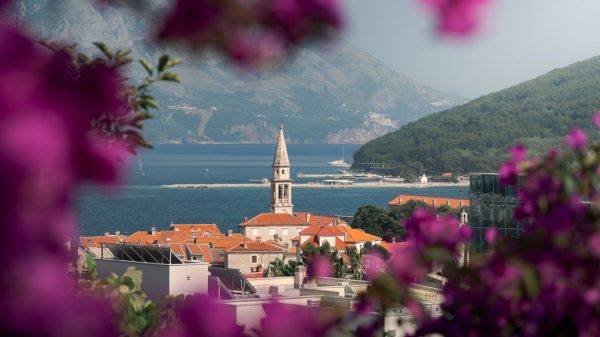
















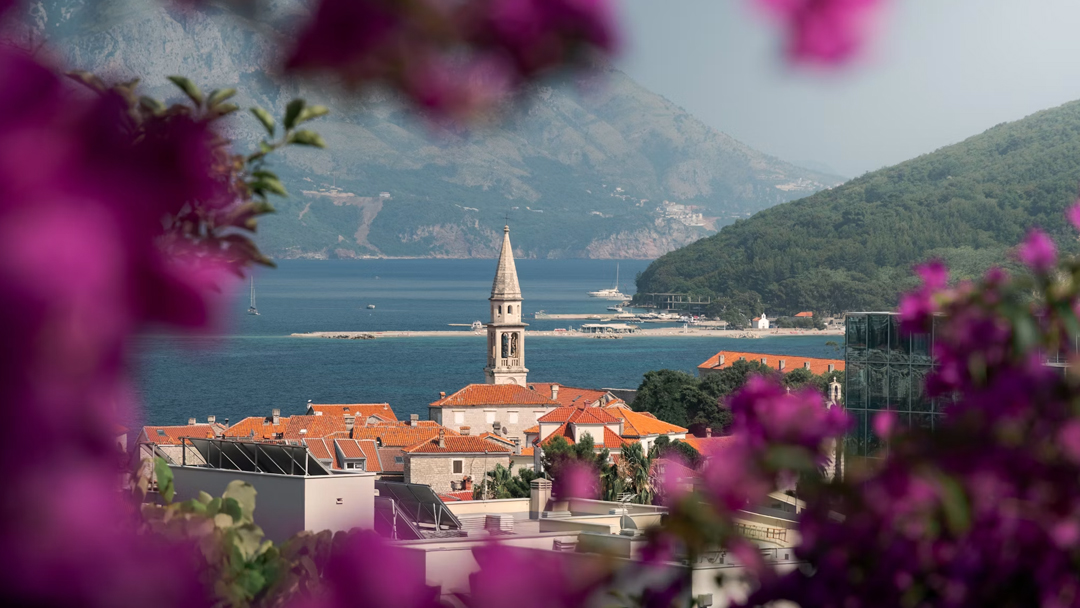
A minibus from Kotor to Budva costs about 3 euros and takes twenty minutes, but the driver won’t announce your stop, the schedule posted at the station is more suggestion than fact, and you’ll be squeezed next to someone’s grandmother carrying a live chicken. This is normal.
Montenegro rewards travelers who figure out its rhythms rather than fight them, and once you understand a few systems, getting around stops being an obstacle and starts being part of the trip.
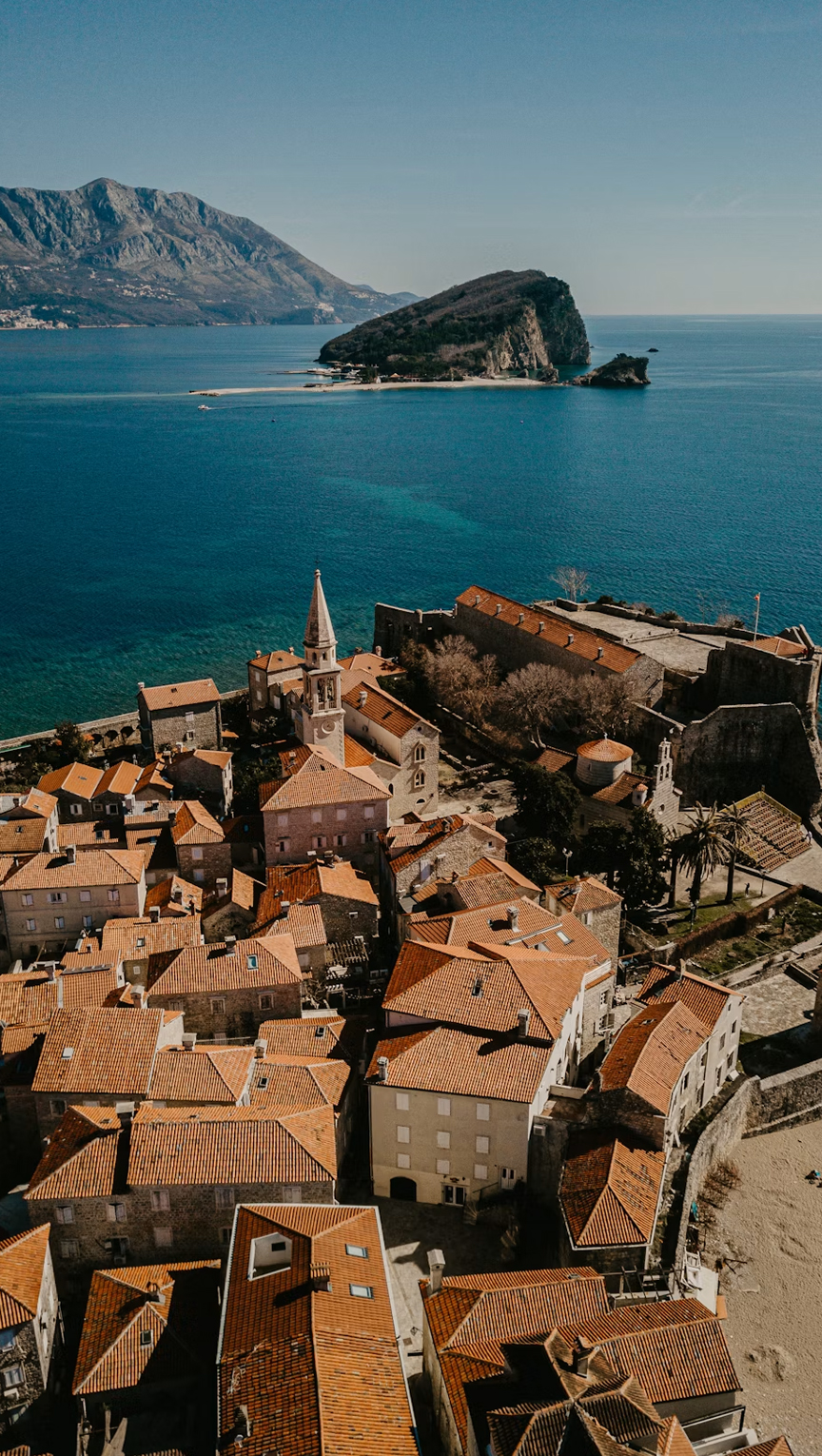
Get comfortable with the “bus” that isn’t really a bus system
Montenegro’s intercity buses are privately operated, which means there’s no single unified schedule you can trust online. Stations post printed timetables that change seasonally, and the person at the ticket window often knows more than any app. Show up at the station in Podgorica, Kotor, or Budva, ask directly, and buy your ticket in person rather than trying to book everything in advance.
Fares are cheap by any standard: Podgorica to Nikšić runs around 4 euros, Kotor to Budva is under 5. Buses fill up fast in July and August, especially coastal routes, so arrive at least twenty minutes early during peak season. Keep small bills on hand, since drivers and station windows rarely have change for a 50.
Rent a car, but only if you’re ready for the roads
The coastal road between Herceg Novi and Bar is stunning and stressful in equal measure — two lanes, blind curves, tour buses, and locals overtaking on hairpin turns like it’s nothing. If you’ve never driven mountain switchbacks, ease into it on a quieter inland route before tackling the coast.
A rental car makes sense for reaching places buses skip entirely, like Lovćen National Park or the smaller villages around Cetinje. Manual transmission is standard, so book an automatic well ahead if you need one, since they cost more and go fast. Parking in old towns like Kotor or Budva is nearly impossible near the walls, so plan to leave the car outside and walk in.
Use the coastal boats and water taxis
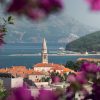
Between May and October, small boats run informal routes connecting Kotor Bay towns like Perast, Herceg Novi, and Risan. These aren’t always listed anywhere official — ask at your accommodation or check the harbor directly for departure times. A ride from Kotor to Perast by boat costs roughly 10 to 15 euros and skips the traffic that clogs the bay road in summer.
Water taxis are pricier but useful for reaching Our Lady of the Rocks island near Perast or hopping between beaches along the Budva Riviera. Negotiate the price before boarding, since rates aren’t fixed and vary by season and how busy the operator is that day.
Take the train from Bar to Podgorica to Kolašin
This is one of the more overlooked routes in the country, and it happens to be one of the most scenic train rides in Europe. The line crosses the Mala Rijeka Viaduct, one of the highest railway bridges in the world, and cuts through gorges and tunnels on its way north toward Kolašin and Bijelo Polje.
Tickets cost under 10 euros for the full route and trains run a few times daily, though delays are common enough that you shouldn’t book anything tight around arrival times. Sit on the right side heading north for the best mountain views. It’s slower than driving but far less stressful, and it gives you a sense of the country’s interior that the coast doesn’t.
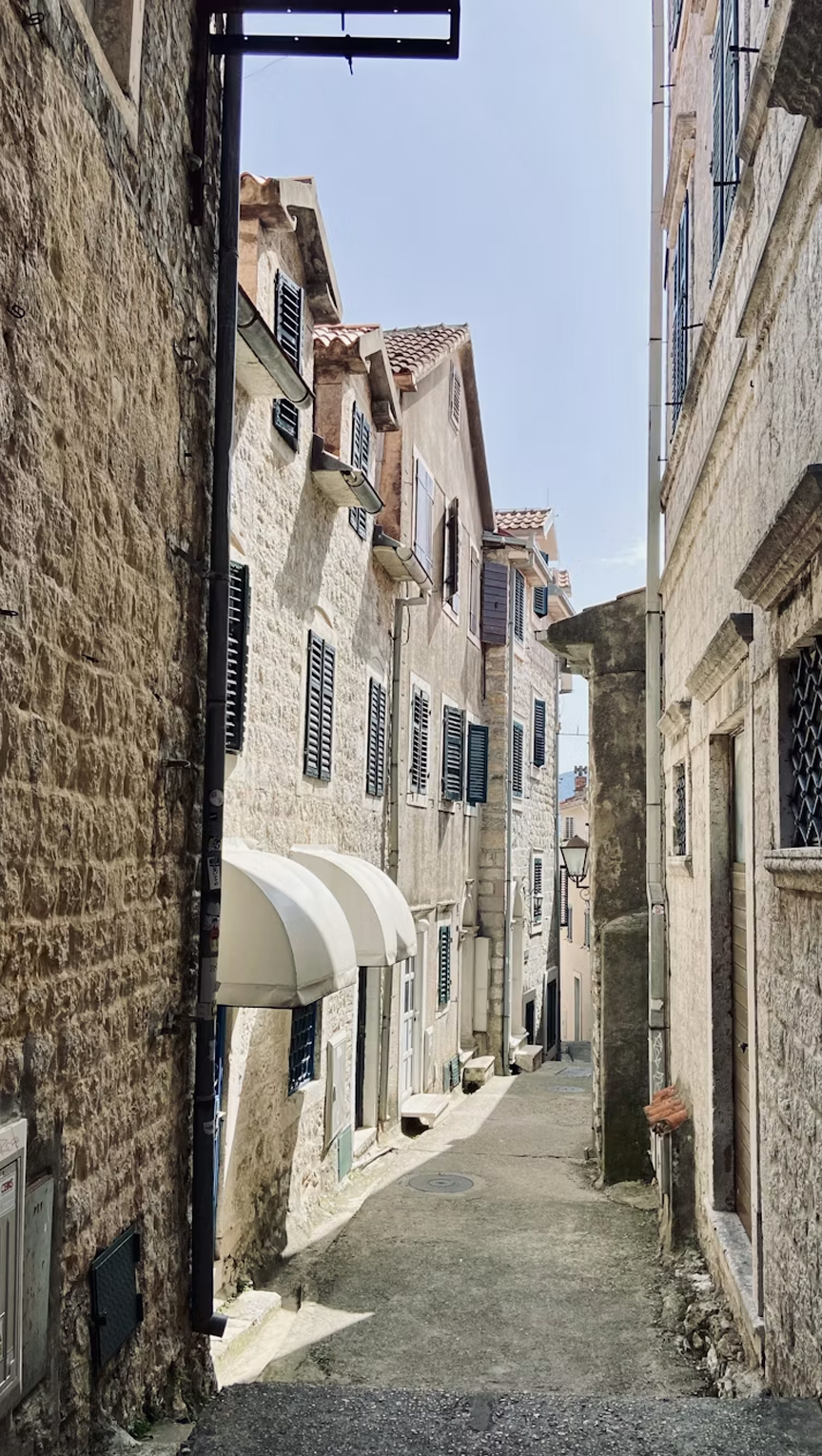
Know when hitchhiking and shared rides make sense
In smaller mountain towns like Žabljak or Plav, public transport thins out fast, and hitchhiking is genuinely common and safe by local standards. Locals also use informal shared rides, arranged through word of mouth at guesthouses or cafes, to split gas costs to nearby towns. Asking your host directly, “Does anyone drive to Podgorica tomorrow?” often works better than checking a bus schedule that may not exist for that route.
If independent travel feels like too much to coordinate, especially for a first visit, joining a small-group Montenegro tour is a genuinely good way to reach places like Durmitor or the Bay of Kotor without renting a car or untangling bus timetables yourself. Many local operators run day trips from the coast into the mountains that would otherwise take serious planning to arrange solo.
Time your travel around the season, not the map
Distances in Montenegro look short on paper but take longer in practice, especially in summer when coastal traffic backs up for kilometers near Budva and Tivat. A 60-kilometer drive that takes an hour in April can take three in August. Plan buffer time into any itinerary between June and September, and consider traveling early morning or after 7 p.m. to avoid the worst of it.
Winter flips the equation: mountain routes toward Žabljak or Kolašin can close temporarily after heavy snow, so check conditions before committing to inland plans between December and March.
Getting around Montenegro isn’t about finding the one correct system, because there isn’t one. It’s about staying flexible, asking locals directly instead of trusting an app, and building in extra time no matter which route you’re taking. Once you accept that the timetable is a starting point rather than a promise, the country opens up a lot faster.