














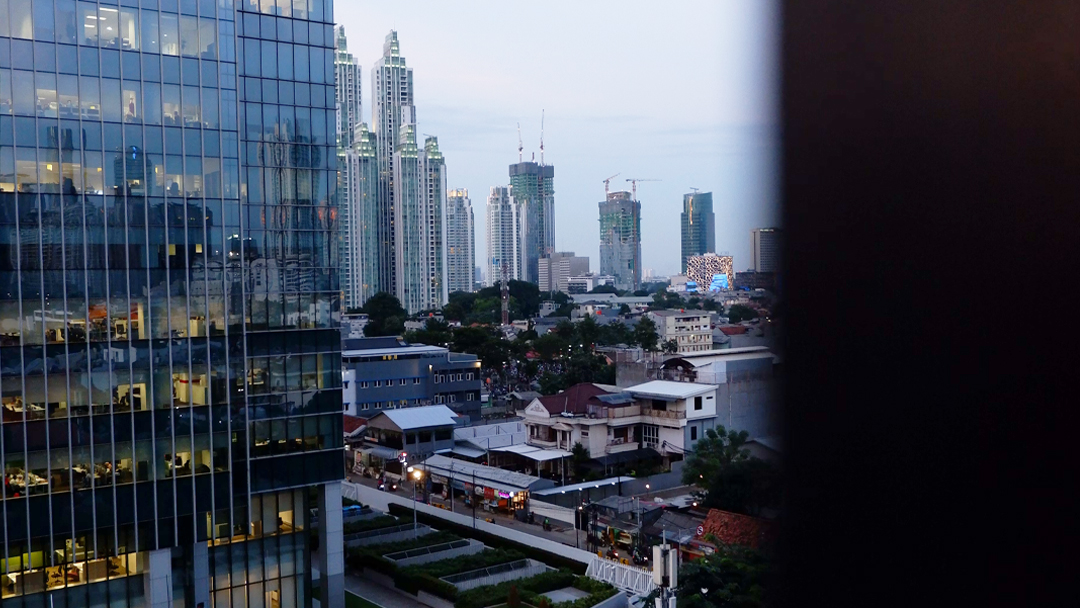
In Indonesia, the Religious Affairs Ministry announced the plan to incorporate education on preventing the spread of “LGBTQ culture” into religious education curricula.
As reported by state news agency Antara, deputy religious affairs minister Romo Muhammad Syafi’i was quoted as saying that the ministry aims to make the issue part of formal religious education rather than limiting its response to public statements.
“The prevention of LGBTQ culture will become part of the ministry’s work through educational materials for children,” Syafi’i was quoted as saying, adding that the ministry will be preparing official educational materials for use in Islamic boarding schools (madrasah and pesantren) and religious higher education institutions. A team will be formed solely to develop teaching materials, coordinate public outreach, and oversee implementation.
Aside from madrasah and pesantre, the anti-LGBTQIA+ materials are also expected to be disseminated by religious counselors, in Friday sermons, mosque study groups, and other community religious forums.
By itself, sexual orientation or same-sex attraction is not a criminal offense under Indonesian law. But the country has a number of anti-LGBTQIA+ policies – e.g. under Presidential Regulation (Perpres) No. 111 of 2025 on the General Defense Policy for 2025-2029, the “spread of LGBTQ culture” is considered a non-military threat; Article 292 of the Criminal Code criminalizes same-sex sexual acts involving minors, carrying a maximum prison sentence of five years; and Indonesia’s Criminal Code, contained in Law No. 1/2023 and scheduled to take effect in 2026, provides criminal penalties for same-sex acts involving violence, coercion, or pornographic conduct.