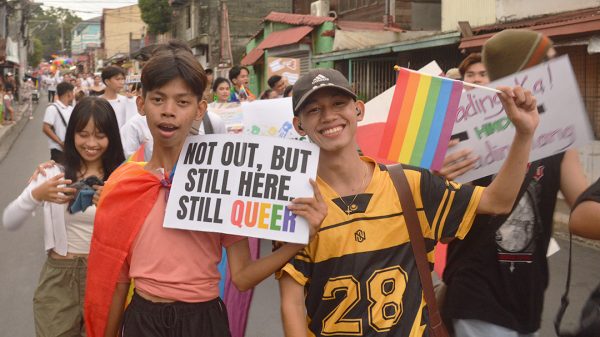
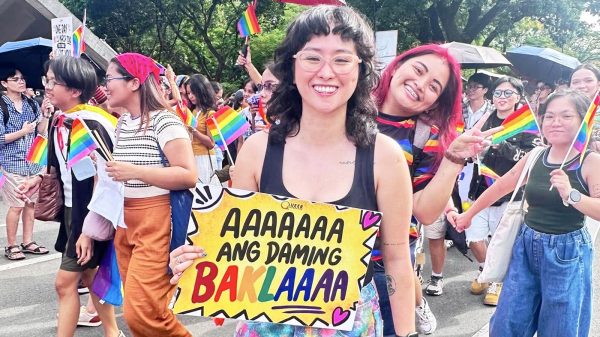
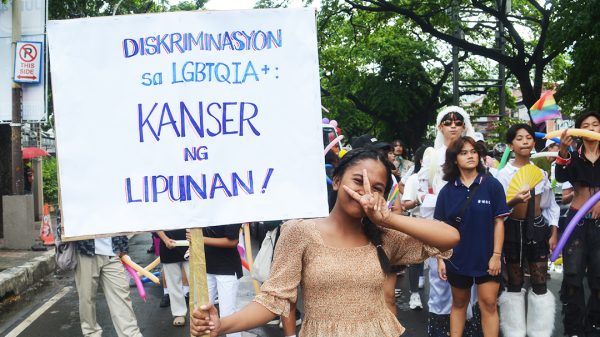







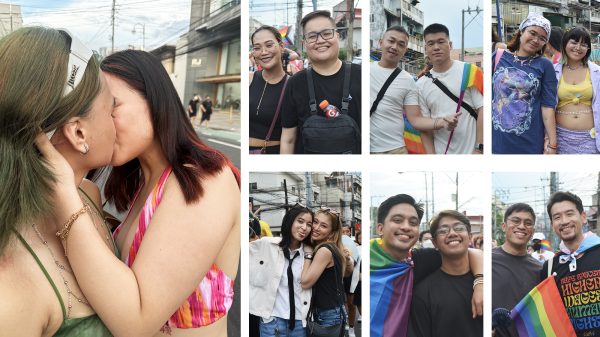
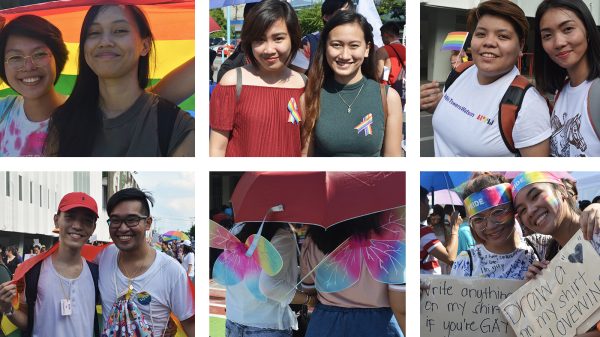





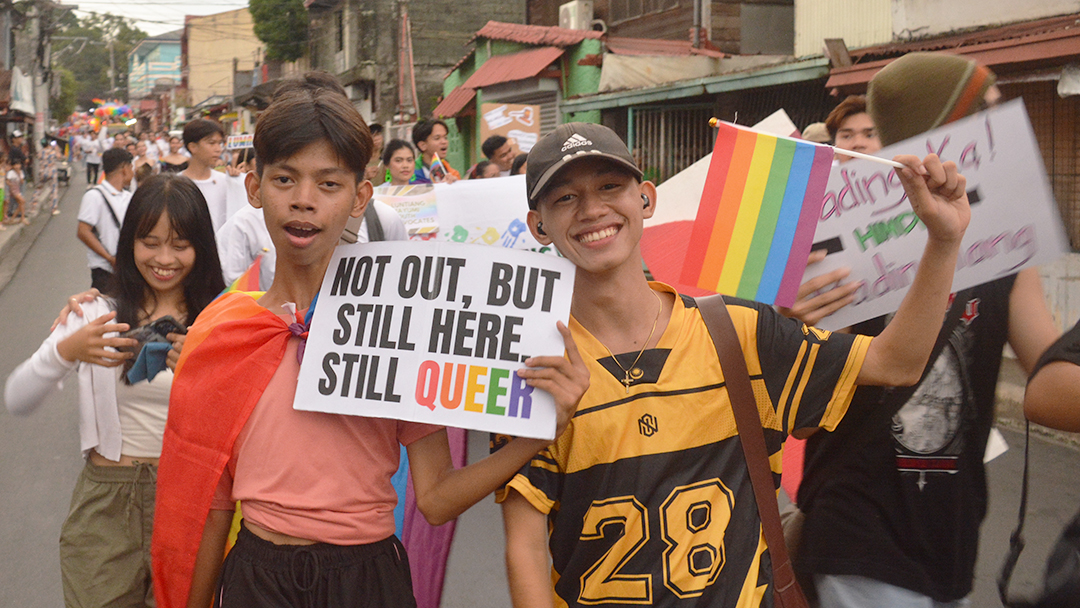
LGBTQIA+-related interest is there, but lived experiences continue to be challenging for LGBTQIA+ Filipinos.
This is according to Pink Bunny Philippines, a sexual wellness retailer, via an original research that analyzed 15 months of search behavior data to map the state of LGBTQ+ sexual health and wellness in the Philippines. The findings, authored by in-house sexual health advisor Dr. Ma. Bernadette C. Nolasco and led by CEO Rozaira Angulo, revealed a population whose private curiosity is substantially larger, more urgent, and more culturally specific than the institutions meant to serve it.
The report, “LGBTQ+ Sexual Health and Wellness in the Philippines: What 2026 Search Data Reveals”, used Google Keyword Planner, Google Analytics, and internal retail data to map the disconnect between private Filipino curiosity and public institutional support.
Key points that the study covered on LGBTQ+ sexual health and wellness in the country included:
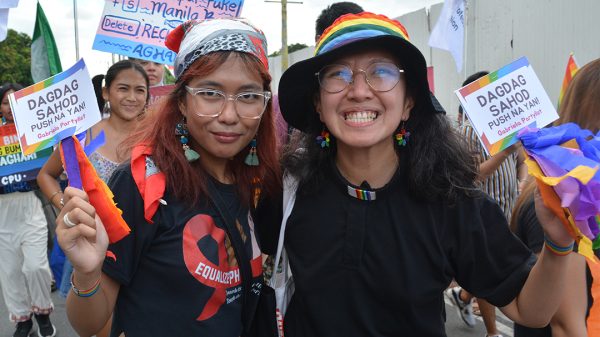
Pride Month Search Trends: While event-based searches for “Pride Month” fell 19% year-on-year, core queries regarding individual identity (such as “gender identity” and “intersex”) remained high and steady, indicating a shift from surface-level event curiosity to mature, continuous, and highly personal year-round questioning.
Gender Identity & Legal/Health Gaps: The Philippines ranks second globally in monthly searches for “gender identity” (14,800), yet this massive public curiosity exists in an institutional void characterized by a 25-year legislative stalemate on the SOGIE Equality Bill, documented healthcare discrimination, and a severe mental health crisis among LGBTQ+ youth.
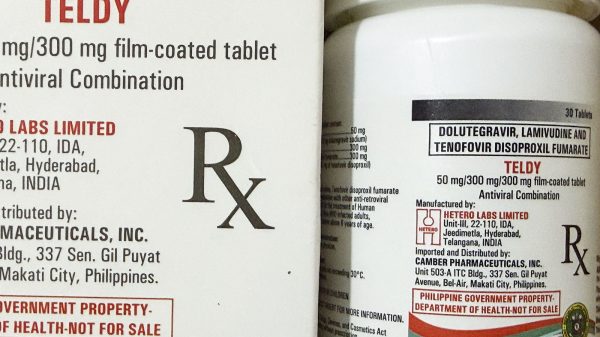
Queer Sex Searches vs. Commerce & HIV Crisis: There is a massive 300-to-1 “commerce gap” between the 184,000 peak monthly searches for queer sex and the virtually nonexistent searches for queer sexual wellness products—a disparity that functions as a public health equity gap amidst a skyrocketing national HIV crisis (57 new cases per day).
Retail as a Trusted Haven: Internal data shows customers bypassing public stigma to seek specific guidance, with over 2,033 strap-on searches recorded on-site at Pink Bunny. “This is not a navigation problem; it is an inclusion problem,” said Angulo.
Localization of Queer Language: Filipino search behavior is shifting away from Western LGBTQ+ terminology toward indigenous and community-coined language, evidenced by a 26% increase in searches for “silahis” (bisexual) and a 51% increase for “tomboy,” highlighting the need for culturally contextualized healthcare and advocacy.
Sex Education Search Collapse: Online searches for “sex education Philippines” collapsed by 95% in 14 months, mirroring admissions from the Department of Education regarding severe implementation gaps in its sexuality curriculum and leaving youth to navigate unsafe, unverified online algorithms for sexual health answers.
“When a population searches for a term like ‘gender identity’ at this scale, they are seeking answers they are not getting from schools, healthcare providers, or the state,” said Rozaira Angulo, owner of Pink Bunny Philippines. “Search data is a proxy for unmet informational need, and in this case, the need is immense.”